Essential Insurance Coverage for Beauty Therapists in the UK
Updated: May 14
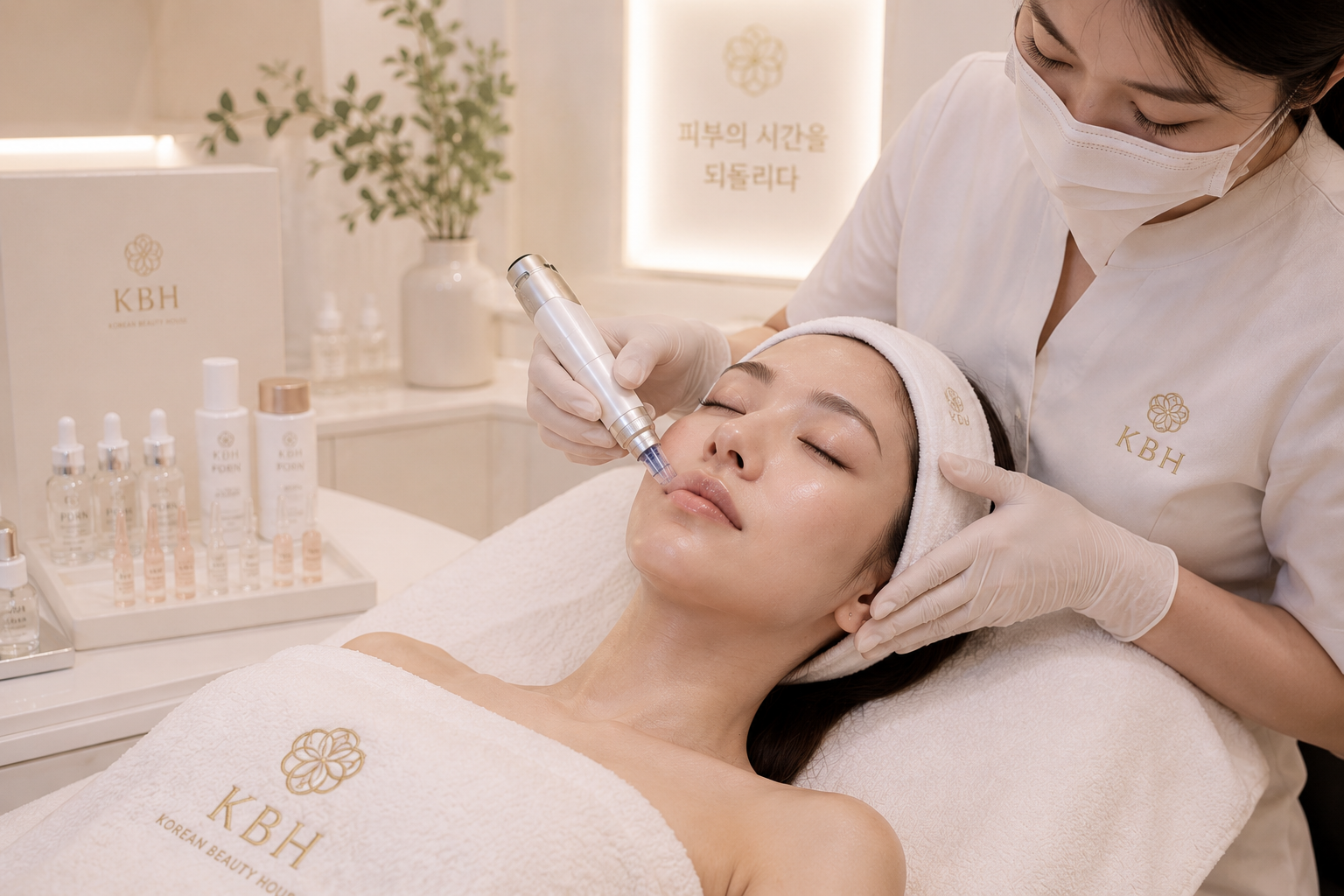
Beauty therapists work closely with clients, offering treatments that enhance appearance and well-being. This hands-on profession carries risks that can affect both the therapist and their clients. Having the right insurance coverage is crucial to protect against potential claims, financial losses, and legal issues. This guide explains the essential insurance policies beauty therapists in the UK need to operate safely and confidently.
Why Insurance Matters for Beauty Therapists
Beauty therapy involves using equipment, chemicals, and techniques that can sometimes cause harm or damage. Even with the highest standards of care, accidents can happen. For example, a client might have an allergic reaction to a product, or equipment could malfunction, causing injury. Without insurance, therapists could face costly compensation claims or legal fees.
Insurance also helps build trust with clients and regulatory bodies. Many professional associations require members to have insurance before they can practice. It shows commitment to safety and professionalism.
Types of Insurance Beauty Therapists Need
Public Liability Insurance
Public liability insurance is the most important coverage for beauty therapists. It protects against claims from clients or visitors who suffer injury or property damage because of your business activities. For instance, if a client slips on a wet floor in your salon or has an adverse reaction to a treatment, this insurance covers legal costs and compensation.
Typical coverage limits start at £1 million, but some therapists choose higher limits for extra protection. This insurance is essential whether you work from home, a salon, or mobile.
Professional Indemnity Insurance
Professional indemnity insurance covers claims related to professional advice or services that cause financial loss to a client. For beauty therapists, this might include incorrect treatment advice or mistakes during a procedure that lead to dissatisfaction or harm.
This insurance helps cover legal fees and compensation if a client claims negligence or breach of duty. It is especially important for therapists offering advanced treatments or consultations.
Employers’ Liability Insurance
If you employ staff, even part-time or freelance, UK law requires employers’ liability insurance. This covers claims from employees who get injured or ill because of their work. For example, a therapist assistant might develop skin irritation from products used in the salon.
The minimum legal cover is £5 million. Failure to have this insurance can result in fines and legal action.
Product Liability Insurance
Product liability insurance protects against claims arising from products you use or sell that cause injury or damage. If a client reacts badly to a skincare product you recommended or sold, this insurance covers the resulting claims.
While some public liability policies include product liability, it’s important to check your coverage carefully. Therapists who retail products should consider this insurance essential.
Equipment Insurance
Beauty therapists rely on expensive equipment such as laser machines, massage tables, and electrical devices. Equipment insurance covers repair or replacement costs if these items are stolen, damaged, or broken.
This insurance helps avoid costly downtime and keeps the business running smoothly.
Additional Considerations for Beauty Therapists
Mobile Therapist Insurance
If you provide treatments at clients’ homes or events, mobile therapist insurance is necessary. It combines public liability with coverage for equipment in transit. This protects you against risks unique to working outside a fixed location.
Business Interruption Insurance
Unexpected events like fire or flood can force a salon to close temporarily. Business interruption insurance covers lost income and ongoing expenses during such periods. This helps therapists maintain financial stability while recovering.
Legal Expenses Insurance
Legal expenses insurance covers the cost of legal advice and representation if you face disputes related to your business. This could include contract disagreements or employment issues.
How to Choose the Right Insurance
When selecting insurance, consider the following:
Coverage limits: Ensure limits are high enough to cover potential claims.
Policy exclusions: Understand what is not covered to avoid surprises.
Reputation of insurer: Choose providers with good customer service and claims handling.
Tailored policies: Look for insurance designed specifically for beauty therapists.
Cost vs. benefit: Balance affordable premiums with comprehensive coverage.
Many insurance brokers specialise in beauty industry policies and can help find the best options.
Practical Examples
A beauty therapist accidentally causes a client’s skin burn during a chemical peel. Public liability insurance covers the medical costs and compensation.
A client claims the therapist gave poor advice leading to an allergic reaction. Professional indemnity insurance covers legal fees.
A salon employee slips and injures their back. Employers’ liability insurance covers medical treatment and compensation.
A stolen laser machine is replaced using equipment insurance, allowing the therapist to continue working without interruption.
Final Thoughts
Beauty therapists in the UK face unique risks that require specific insurance coverage. Public liability and professional indemnity insurance form the foundation of protection. Employers’ liability, product liability, and equipment insurance add further security depending on your business setup.


Comments