Choosing Between Online and In-Person Beauty Training: Which is Better for You
The beauty industry offers many paths to build skills and launch a career. One key decision is how to pursue your training: online or in-person. Each option has clear advantages and challenges. Understanding these differences helps you choose the best fit for your learning style, schedule, and goals.
Flexibility and Convenience
Online beauty training stands out for its flexibility. You can access lessons anytime and anywhere, which suits busy schedules or those balancing work and family. This format allows you to learn at your own pace, revisiting complex topics as needed. For example, a student working part-time can study late at night without missing classes.
In-person training requires attending scheduled classes at a physical location. This structure provides a consistent routine and direct access to instructors and peers. It suits learners who thrive with face-to-face interaction and hands-on practice. For instance, practicing makeup techniques under instructor supervision can build confidence faster.
Quality of Hands-On Experience
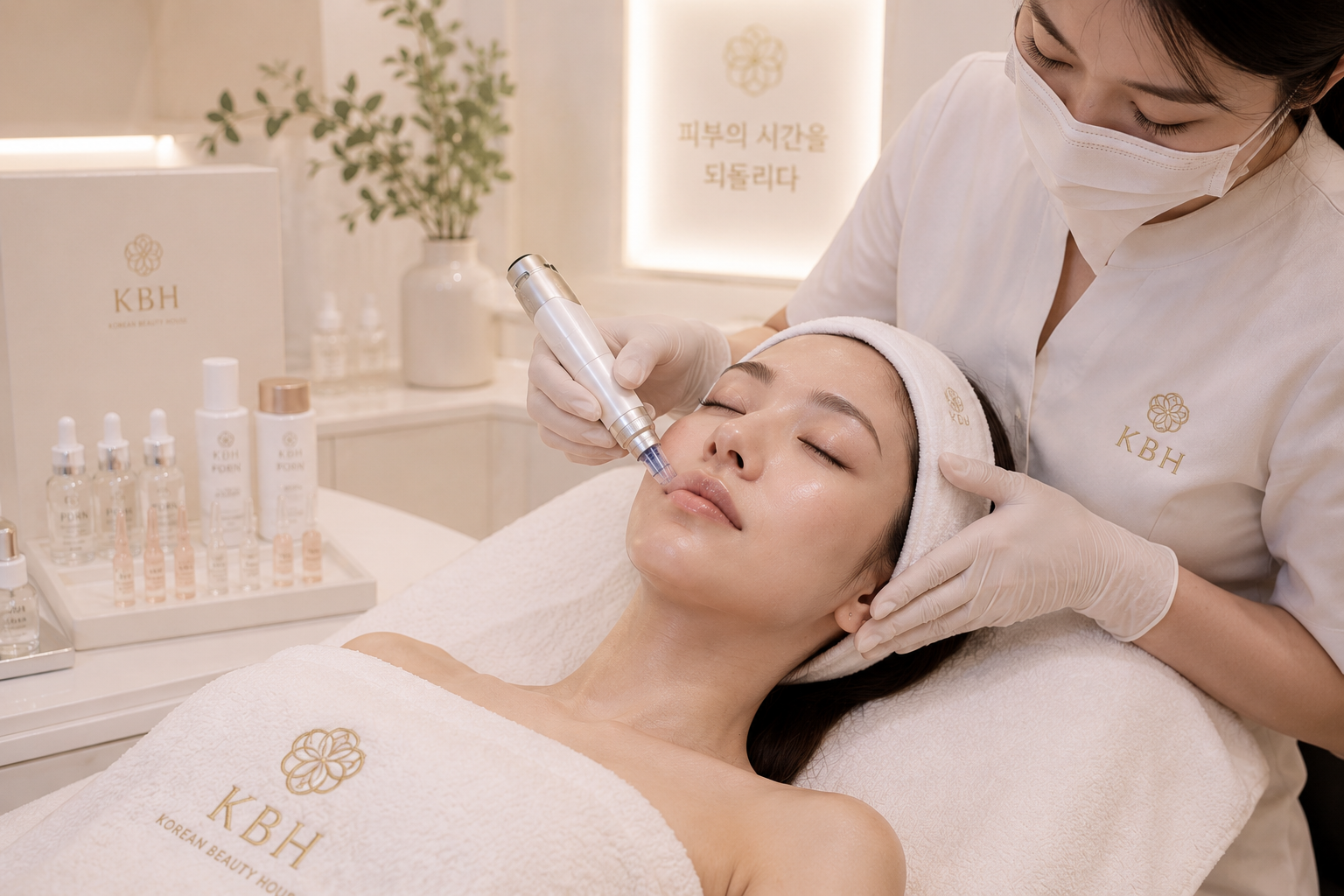
Beauty skills often depend on practical application. In-person training offers immediate feedback during hands-on sessions, which is crucial for mastering techniques like hairstyling, skincare treatments, or nail art. Being in a salon-like environment also exposes students to real-world tools and products.
Online courses try to replicate this through video demonstrations and virtual workshops. Some programs send kits with supplies for practice at home. While helpful, this approach may lack the instant correction and tactile experience that in-person classes provide. For example, learning to blend foundation perfectly often benefits from instructor guidance in real time.
Cost and Accessibility
Online beauty training usually costs less than in-person programs. You save on commuting, accommodation, and sometimes materials. This makes it accessible to a wider audience, especially those living far from beauty schools or with limited budgets.
In-person courses often have higher tuition fees due to facility use and personalized instruction. However, they may offer scholarships, payment plans, or access to industry connections that can lead to job opportunities. For example, attending a well-known beauty academy in a major city might open doors to internships or salons.
Social Interaction and Networking
In-person training naturally fosters social connections. You meet classmates, instructors, and guest professionals, creating a network that supports your career growth. Group projects and live demonstrations encourage collaboration and communication skills.
Online training platforms often include forums, live chats, or video calls to connect students. While these tools help, they may not fully replace the energy and spontaneity of face-to-face interaction. For example, casual conversations during breaks or hands-on group work can spark creative ideas and friendships.
Learning Style and Motivation
Your personal learning style plays a big role in choosing between online and in-person training. If you are self-motivated, organized, and comfortable with technology, online courses can be very effective. They allow you to tailor your study schedule and focus on areas you find challenging.
If you prefer structured environments with direct supervision, in-person classes provide that framework. The presence of instructors and peers can boost motivation and accountability. For example, some students find it easier to stay engaged when physically present in a classroom setting.
Technology and Resources
Online beauty training depends heavily on reliable internet access and suitable devices. High-quality video content, interactive quizzes, and virtual reality tools enhance learning but require good technology. Students without these resources may face difficulties.
In-person training provides access to professional equipment and products, which might be costly to obtain independently. This hands-on exposure is valuable for developing practical skills. For example, using salon-grade hair dryers or professional makeup brushes during class prepares students for real work environments.
Career Support and Certification
Both online and in-person programs offer certifications, but their recognition varies. Established beauty schools with in-person classes often have industry accreditation and strong reputations. This can influence employers and clients when you start your career.
Online courses from reputable providers also offer certificates, sometimes with digital badges for portfolios. Some platforms partner with beauty brands or salons to provide job placement assistance. Researching the credibility of the program is essential before enrolling.


Comments